
(Sayno. (2023). The lessons of Sayno: 세이노의 가르침. 데이원출판사.)
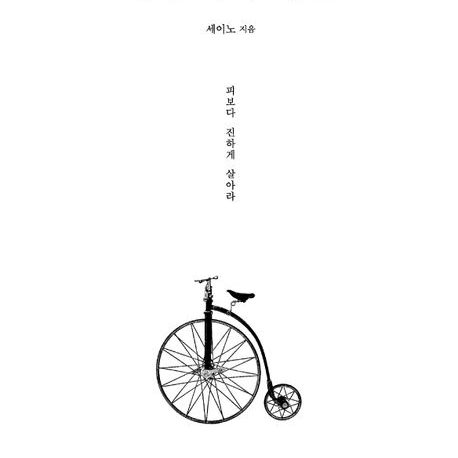
The cover-a bicycle with a giant front wheel-captures the book’s driving metaphor. A powerful back wheel represents those born into advantage; the outsized front wheel represents the drive and vision required of those without privilege. It’s a visual promise that, while the ride can be arduous, determination can propel anyone forward.
Say No’s Teaching stands out in the crowded world of motivational business books precisely because its author-an already self-made millionaire-doesn’t peddle empty theories. Instead, he shares the raw, unvarnished story of his own rise, making every insight feel earned rather than invented to sell a narrative. This authenticity is rare: you’re learning from someone who’s already “made it,” not from an aspiring coach whose primary product is their next bestseller.
What makes Say No’s Teaching genuinely valuable are its concrete, actionable lessons. For instance, he urges licensed professionals-doctors, lawyers, engineers-to secure their credentials as early as possible. Why? Because the scarcity of licensed roles keeps competition-and therefore earning power-high. Delay that certification, and you risk diluting your value as more competitors flood the field. This kind of time-sensitive advice is drawn directly from his own experience in business, not from abstract theory.
Another standout lesson cautions practitioners who obsess over technical mastery-surgeons perfecting technique, consultants honing spreadsheets-to never lose sight of the people they serve. In healthcare, the author argues, the patient’s holistic experience matters as much as clinical excellence. Focusing narrowly on one’s craft can blind professionals to the human needs-trust, comfort, understanding-that ultimately define success in a service-based vocation.
Throughout the book, “No” preaches a tough-love ethos: nothing worth having is handed to you, and if you don’t claim the reins of your own life, others will steer it for you. He illustrates this with personal anecdotes—early mornings spent cold-calling clients, weekends sacrificed to master new skills, and pivotal moments when he said “no” to easier but less meaningful opportunities. These stories underscore the overarching message: say “no” to complacency, distractions, and self-doubt, so you can say “yes” to the path you choose.
Gifted to me by my father, Say No’s Teaching is more than a bestseller—it’s a roadmap for anyone determined to define success on their own terms. Its blend of unflinching honesty and immediately applicable strategies makes it a standout guide for professionals who refuse to ride on the momentum of others’ privilege and instead want to build their own legacy through grit, focus, and a deep understanding of those they serve.
These are some of the finest advices from the book.
세이노
“인생은 자전거와 같다. 뒷바퀴를 돌리는 것은 당신의 발이지만, 앞바퀴를 돌려 방향을 잡는 것은 당신의 손이며 눈이고 의지이며 정신이다.”
“Life is like a bicycle. Your feet move the rear wheel—that’s your daily effort—but it’s your hands, eyes, will, and mind on the front wheel that steer your direction.”
세이노
“노력이란 싫어하는 것을 더 열심히 하는 것이다. 좋아하는 것을 더 열심히 하는 것은 노력이 아니라 취미 생활일 뿐이다.”
“True effort is working harder at what you dislike; doing more of what you love is merely a hobby.”
세이노
“자격증은 당신이 가진 기회의 문을 여는 열쇠다. 일찍 문을 열어두어야 경쟁이 적고 가치를 높일 수 있다.”
“A license is the key that opens doors of opportunity. Open them early—when competition is thin—to maximize your value.”
세이노
“기술에만 몰두하면 고객이 원하는 진짜 가치를 놓친다. 진짜 성공은 ‘무엇’이 아니라 ‘어떻게’에서 나온다.”
“If you focus only on technical mastery, you miss what customers truly value. Real success comes not from ‘what’ you do, but ‘how’ you do it.”
세이노
“‘아니오’라고 말할 줄 알아야 ‘예스’를 진심으로 외칠 수 있다. 불필요한 것에 에너지를 낭비하지 마라.”
“You must learn to say ‘no’ before you can authentically say ‘yes.’ Don’t waste your energy on what doesn’t matter.”
세이노
“시간은 가장 공평한 자산이다. 남들이 쉬는 동안 달려야 그들이 깨어날 때 당신은 이미 앞서 있다.”
“Time is the most equitable asset. When others rest, run—so by the time they awaken, you’re already ahead.”
 A journey in ink
You must be logged in to post a comment.