Writing heals me. In a world where owning a home feels impossibly far away, it’s surprising how a blog can offer such a steady sense of comfort. This space is mine for as long as I want it. I choose the words, the design, and still, I’m surrounded by neighbors.
I haven’t written about the hardest parts of my life, or how overwhelming these past few months have been. Yet, leaving traces of my present here feels like a quiet way of mending.
I enjoy reading and writing alongside others who wonder about the same things. Maybe that’s why I love daily prompts. They bring together a small, caring community where empathy feels natural. And I hope that as time passes and I grow older, my writing will carry new shades, telling its story in colors I have yet to discover.
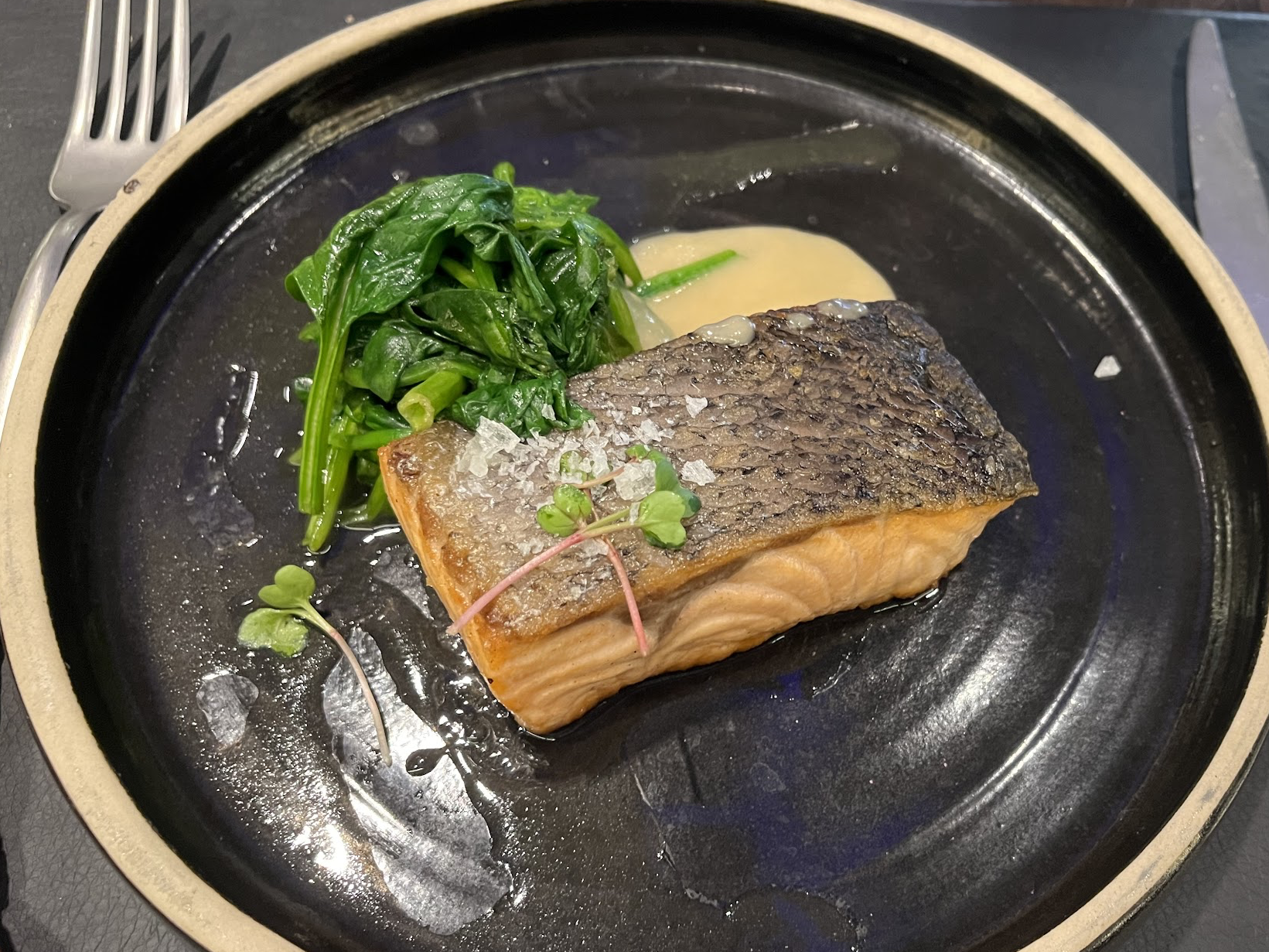
The most I’ve ever paid for a meal was at a seafood restaurant in Rome.
I ducked into the restaurant almost by accident, trying to escape the huge crowds waiting outside the nearby pizza bistros.
What drew me in was the quiet, peaceful atmosphere, something rare in a busy tourist hub like Rome.
Little did I know there was a reason for that calmness. Oh god, it was pricey. Way above my usual travel budget.
Still, since that was my last night in Italy, I figured I deserved a little treat before heading home.
Soon after sitting down, I realized just how lucky I was to get a seat – every table was reserved. People kept coming in, one after another, checking their names on the reservation list.
That’s when I knew I was about to experience something special.
And yes, I really did.
I had the best pasta of my life that night.
It was creamy and rich with the deep flavor of the sea, a perfect blend of sweet cream and salty seafood. And of course, it paired beautifully with a glass of red wine.
There are millions of things in this world that are considered important …or so we are fooled.
I think there are very few things that truly matter. Although the priority may differ from person to person.
For me, it’s always been simple: Faith Family Health Freedom Gratitude
But what if I took these elements, poured them together, squeezed them tight, and spun them into one fine, invisible thread?
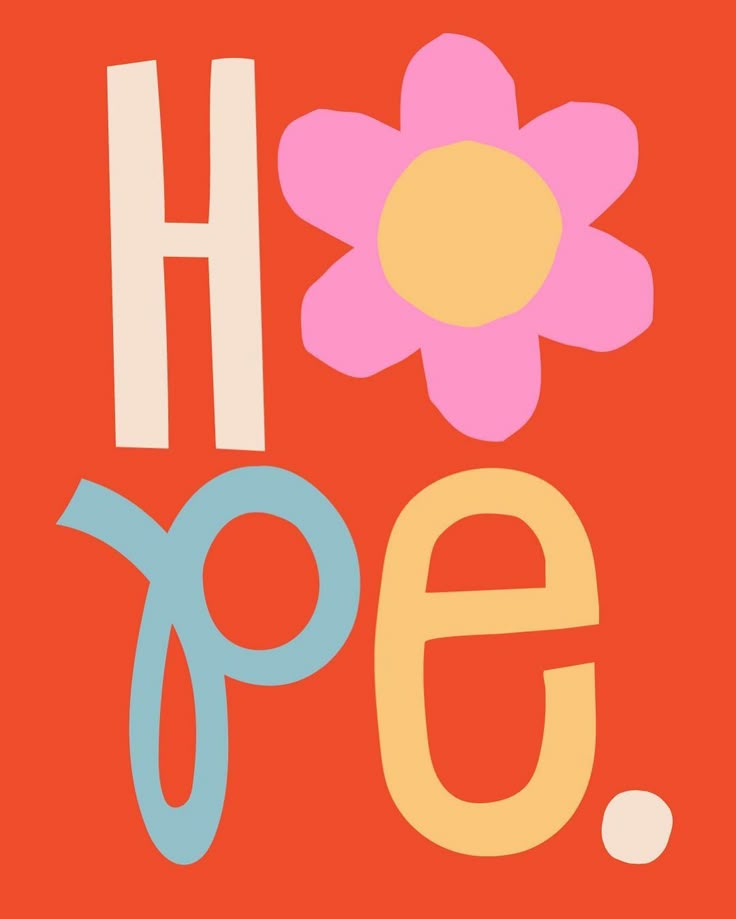
That thread is Hope.
Hope that one day I’ll find the perfect family and the perfect place for me. Hope grounded in Faith and Gratitude. Hope that never lets itself break.
…Hope to keep hoping.
Today’s writing reminded me of the battle scene in Sandman.
In the show, Dream (aka Morpheus) and Lucifer engage in a strange, poetic battle. They don’t throw punches or cast spells, they speak in symbols. Each word becomes a form, an idea, a transformation.
The play goes like this,
Lucifer: As the challenged, I set the meter and take the first move. Morpheus: Very well. Make your move. Lucifer: I am a dire wolf, prey-stalking, lethal prowler. Morpheus: I am a hunter, horse-mounted, wolf-stabbing. Lucifer: I am a horsefly, horse-stinging, hunter throwing. Morpheus: I am a spider, fly-consuming, eight-legged. Lucifer: I am an anthrax, butcher bacterium, warm-life destroying. Morpheus: I am a world, space-floating, life-nurturing. Lucifer: I am a nova, all-exploding… Morpheus: I am the universe—all things encompassing, all life embracing. Lucifer: I am anti-life, the beast of judgment. I am the dark at the end of everything. The end of universes, gods, worlds… and everything.
Lucifer: And what will you be then, Dreamlord? Morpheus: I am hope.
And just like that, the battle ends.
Not with power. Not with fear. With hope.
I know it’s a fantasy show. Maybe a little over the top. But that moment genuinely gave me goosebumps.
Because I couldn’t think of anything that can win over human hope, either.
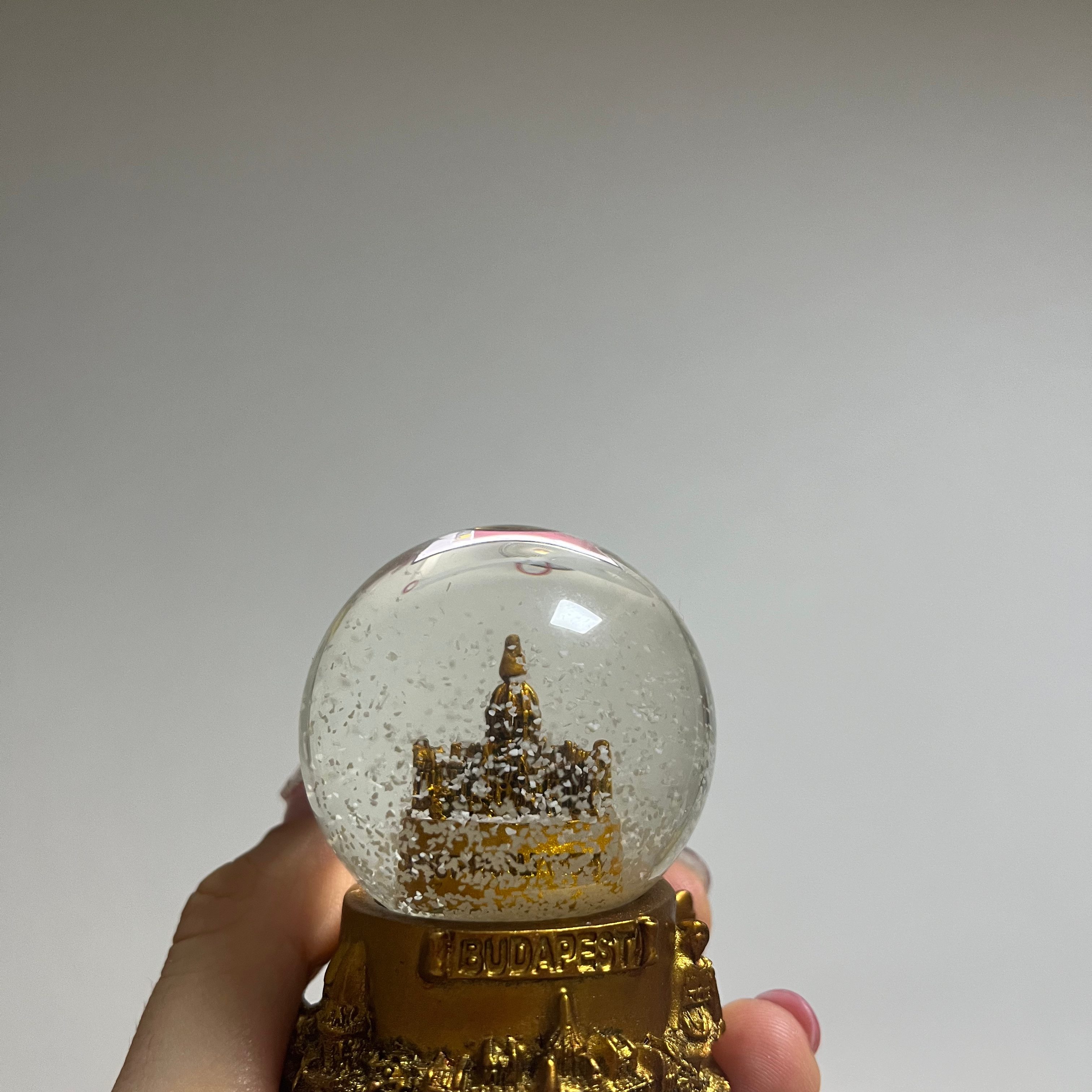
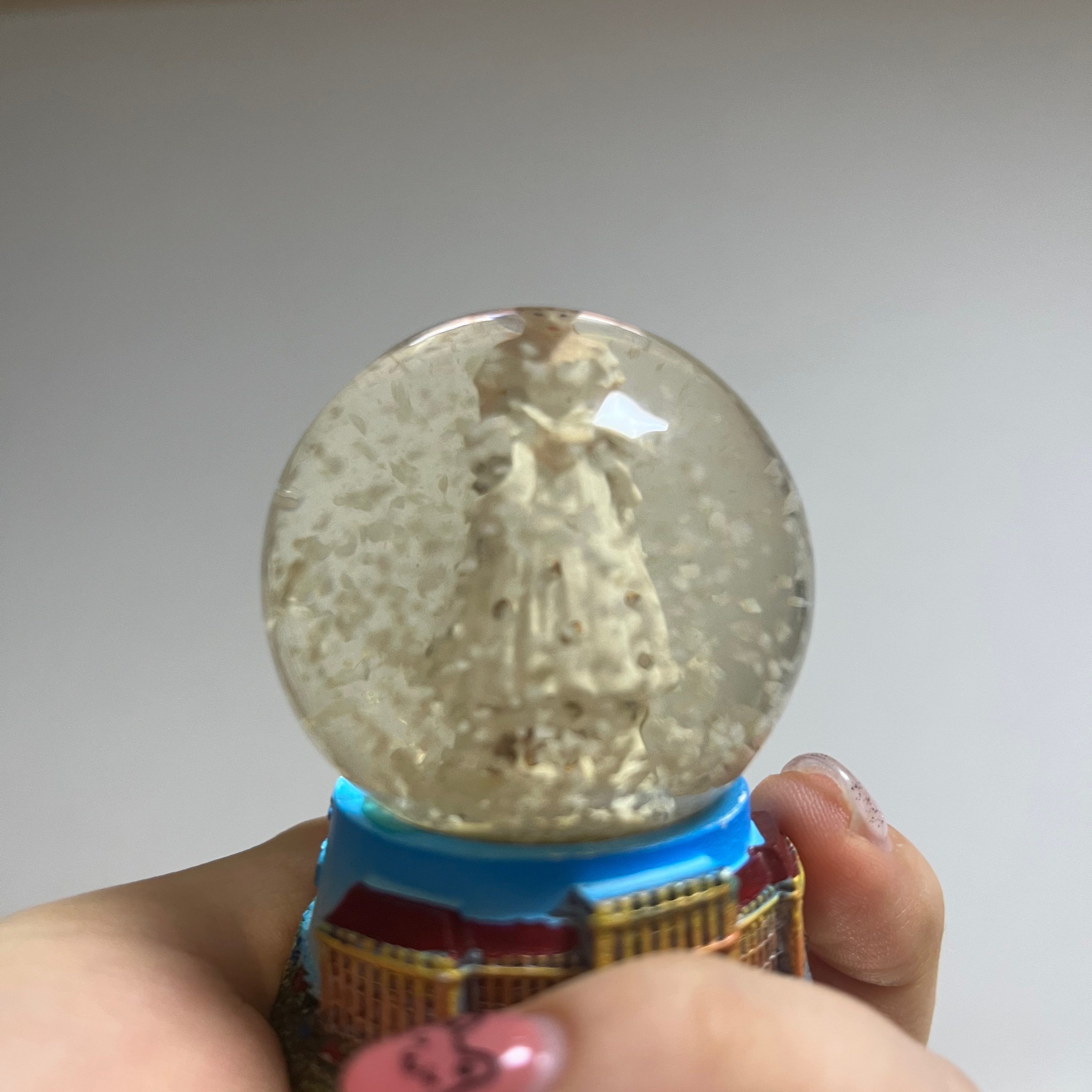
Little travel souvenirs are my time machines. Magnets, postcards, bookmarks, they all have their charm. But my all-time favorite is Snow globes.
There’s something magical about them. Unlike flat cards where everything is fixed, a snow globe is multi dimensional. It changes with every shake. No two are quite the same. Some are delicate, some clunky; some filled with glitter, others with soft white snow. The quality varies, the designs always a surprise. There’s a little fun, a small gamble, in picking the perfect one.
Every time I shake a globe, I don’t just see the miniature version of a city, I feel it. The moment I bought it comes rushing back. Maybe it was a freezing day, and I ducked into a souvenir shop to escape the wind. Maybe that very snow globe reminded me of the actual snow falling outside, which then led me to buy those beautiful, well-made boots I ended up loving for years.
It’s funny how one tiny item can start a whole train of thought. A chain reaction of memories. A sense of place, of self, of time. It grounds me in a world that often feels like a shallow whirlwind.
If I were richer, I would collect singing music boxes too; orgels that play a delicate tune when opened. Adding sound would bring another dimension to the memory. But for now, the silent dance of snow inside a globe is enough.
With these memories, the stay may be short, but the happiness can linger a little longer. Sometimes, late at night, I shake a few and watch them settle one by one. The world slows down. The memories swirl. The traveler in me feels quietly seen.
Because in every snow globe, I see two things: a city I loved (or barely survived)—and a girl who was brave enough to walk into the world with no hesitation.
In today’s fast-paced world, finding a balance between productivity and relaxation is a challenge many of us face. I believe scheduling both micro breaks and macro breaks can make all the difference.
Micro Breaks: Small but Powerful
Micro breaks happen more frequently throughout the week like my Mondays and Fridays, which I dedicate to working out, blogging, watching Netflix, and unwinding for a few hours. These small pauses create a rhythm of rest that keeps me motivated and energized, even on busy days.
Macro Breaks: The Big Reward
Macro breaks are those larger moments of rest we give ourselves after completing major goals. For example, when I have a big deadline like submitting a portfolio, I dive in with full focus and effort. After I finish, I reward myself, maybe by booking a flight to a quiet place to recharge. This bigger “breathing window” helps me celebrate the hard work and reset for the next challenge.
Inspired by Don’t Eat the Marshmallow Yet
This approach reminded me of Don’t Eat the Marshmallow Yet, a legendary childhood book about delaying gratification for greater happiness and success. It teaches that sometimes saying “not yet” to immediate pleasure helps us achieve bigger goals.
In this light, every break whether macro or micro is like a small marshmallow that keeps us moving toward a larger purpose. But if you give yourself a bigger marshmallow than you’ve earned, you risk losing the motivation to keep striving for the greater reward.
It’s about finding the right dose of dopamine to stay on track, enough to keep going, but not so much that you lose the drive to pursue something greater.
“The ability to delay gratification is the master skill that leads to success.”
Don’t Eat the Marshmallow Yet by Joachim de Posada
Give Yourself Credit
I believe many of us practice this balancing act, even without realizing it. Simply recognizing the value of these breaks adds motivation and a sense of accomplishment.
So to all the readers who’ve been grinding hard, take pride in your efforts and enjoy those well-earned breaks. You deserve it.
Be attentive. Right now. Not later. Not tomorrow. Now.
Most of my worries isn’t somewhere far ahead in the future. It’s here in this exact moment. No matter how much I stress, overthink, or plan, it doesn’t actually change what’s coming. But being present? That can.
The present is the only place anything real begins. Change doesn’t start with some big announcement or a perfect plan, it starts with noticing. Noticing your breath. The way your shoulders feel. The weight of a decision you’ve been carrying. Or the fact that you’re alive and capable, right now.
For me, this shift started when I caught myself constantly worrying about what’s next. My mind was always racing: Am I doing enough? What if things don’t work out? But none of those thoughts moved me forward, they rather drained me. So I made a choice: I’d return to now, over and over again.
Being attentive in the present doesn’t solve everything immediately, but it’s the only place solutions can begin.
So if you’re wondering what one small improvement you can make in your life is: Stop. Breathe. Pay attention to this moment.
Because this moment is the only one that can shape what comes next.
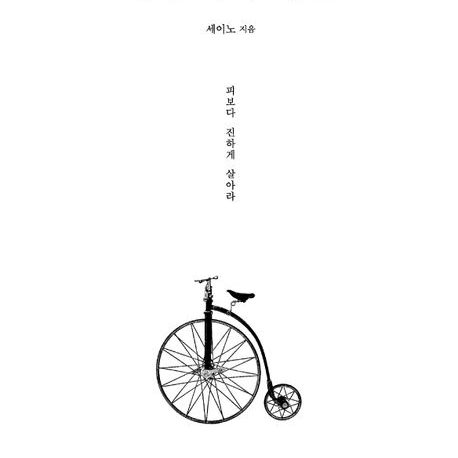
(Sayno. (2023). The lessons of Sayno: 세이노의 가르침. 데이원출판사.)
The cover-a bicycle with a giant front wheel-captures the book’s driving metaphor. A powerful back wheel represents those born into advantage; the outsized front wheel represents the drive and vision required of those without privilege. It’s a visual promise that, while the ride can be arduous, determination can propel anyone forward.
Say No’s Teaching stands out in the crowded world of motivational business books precisely because its author-an already self-made millionaire-doesn’t peddle empty theories. Instead, he shares the raw, unvarnished story of his own rise, making every insight feel earned rather than invented to sell a narrative. This authenticity is rare: you’re learning from someone who’s already “made it,” not from an aspiring coach whose primary product is their next bestseller.
What makes Say No’s Teaching genuinely valuable are its concrete, actionable lessons. For instance, he urges licensed professionals-doctors, lawyers, engineers-to secure their credentials as early as possible. Why? Because the scarcity of licensed roles keeps competition-and therefore earning power-high. Delay that certification, and you risk diluting your value as more competitors flood the field. This kind of time-sensitive advice is drawn directly from his own experience in business, not from abstract theory.
Another standout lesson cautions practitioners who obsess over technical mastery-surgeons perfecting technique, consultants honing spreadsheets-to never lose sight of the people they serve. In healthcare, the author argues, the patient’s holistic experience matters as much as clinical excellence. Focusing narrowly on one’s craft can blind professionals to the human needs-trust, comfort, understanding-that ultimately define success in a service-based vocation.
Throughout the book, “No” preaches a tough-love ethos: nothing worth having is handed to you, and if you don’t claim the reins of your own life, others will steer it for you. He illustrates this with personal anecdotes—early mornings spent cold-calling clients, weekends sacrificed to master new skills, and pivotal moments when he said “no” to easier but less meaningful opportunities. These stories underscore the overarching message: say “no” to complacency, distractions, and self-doubt, so you can say “yes” to the path you choose.
Gifted to me by my father, Say No’s Teaching is more than a bestseller—it’s a roadmap for anyone determined to define success on their own terms. Its blend of unflinching honesty and immediately applicable strategies makes it a standout guide for professionals who refuse to ride on the momentum of others’ privilege and instead want to build their own legacy through grit, focus, and a deep understanding of those they serve.
These are some of the finest advices from the book.
세이노 “인생은 자전거와 같다. 뒷바퀴를 돌리는 것은 당신의 발이지만, 앞바퀴를 돌려 방향을 잡는 것은 당신의 손이며 눈이고 의지이며 정신이다.” “Life is like a bicycle. Your feet move the rear wheel—that’s your daily effort—but it’s your hands, eyes, will, and mind on the front wheel that steer your direction.”
세이노 “노력이란 싫어하는 것을 더 열심히 하는 것이다. 좋아하는 것을 더 열심히 하는 것은 노력이 아니라 취미 생활일 뿐이다.” “True effort is working harder at what you dislike; doing more of what you love is merely a hobby.”
세이노 “자격증은 당신이 가진 기회의 문을 여는 열쇠다. 일찍 문을 열어두어야 경쟁이 적고 가치를 높일 수 있다.” “A license is the key that opens doors of opportunity. Open them early—when competition is thin—to maximize your value.”
세이노 “기술에만 몰두하면 고객이 원하는 진짜 가치를 놓친다. 진짜 성공은 ‘무엇’이 아니라 ‘어떻게’에서 나온다.” “If you focus only on technical mastery, you miss what customers truly value. Real success comes not from ‘what’ you do, but ‘how’ you do it.”
세이노 “‘아니오’라고 말할 줄 알아야 ‘예스’를 진심으로 외칠 수 있다. 불필요한 것에 에너지를 낭비하지 마라.” “You must learn to say ‘no’ before you can authentically say ‘yes.’ Don’t waste your energy on what doesn’t matter.”
세이노 “시간은 가장 공평한 자산이다. 남들이 쉬는 동안 달려야 그들이 깨어날 때 당신은 이미 앞서 있다.” “Time is the most equitable asset. When others rest, run—so by the time they awaken, you’re already ahead.”
We live in an ever-changing world that demands adaptability more than ever before. Everything is interconnected and instantly shareable, making it all too easy to drift into general social trend without noticing. Subtle, daily pressures seep into our subconscious and quietly shape our future.
I choose to seek an unconventional path- solely guided by my own intention and integrity, no matter how rarely traveled. With each deliberate step, I uncover new potential and foster personal growth.
In a landscape rapidly transformed by artificial intelligence, my career strategy is straightforward: stay vigilant to technological shifts, anticipate what’s coming, and continually refine the niche skills that resonate most deeply with me.
I cherish interpersonal connection, an arena where machines, no matter how advanced, fall short. Empathy, intuition, and genuine presence are human qualities an algorithm can’t replicate.
Another cornerstone of my approach is sharing from blog posts to YouTube videos. The format matters less than the message: clear, thoughtful communication amplifies our reach in today’s connected world. Visibility grants access to knowledge and opportunity; without a voice, we risk fading into obscurity.
By cultivating deeply human skills-empathy, precision, and the art of meaningful storytelling. I aim not merely to survive, but to thrive in an ever-evolving, technology-driven world.
What do I actually do to get involved in a society?
Not on paper, the resume version. But the honest, lived version.
When I enter a new place, a city, a job, a country,
do I really try to become part of the community, or do I hover at the edges, observing but not committing?
Involvement isn’t always loud. Sometimes it’s quiet. It can be as small as showing up regularly to the same place, making eye contact, saying hello, holding a door open. Sometimes it means learning the local customs, joining a community event, or even just staying long enough for people to remember your name.
But there’s also a deeper kind of involvement, the kind where you invest emotionally. You care about what happens to others. You speak up when something feels unfair. You help someone even when it’s inconvenient. You try to understand people who are nothing like you. That’s the kind of involvement that makes you part of something real.
The truth is, it’s easier not to get involved. To keep moving. To avoid vulnerability. But I think I’m beginning to realize that drifting is just another way of hiding.
So today, I sat with that question and wrote it down: What do I do to get involved in a society?
I’m not sure I like my answer yet. But maybe that’s the point of asking.
Before, during, and after every decision, I reflect deeply- playing out different scenarios and weighing each possibility carefully.
My faith is my foundation and compass; I never act against it.
For legal advice, I rely on my parents and sometimes my sister, not only because they have my best interests at heart but also because their networks often provide valuable support, for which I’m truly grateful.
In my field, I follow several YouTube creators whose insights guide me when I’m uncertain. Although I’ve never met them, it’s amazing how a single video can inspire, guide, and elevate me.
Since I’m on a unique path, I haven’t found a mentor yet, but I would truly value someone to sincerely follow. A trusted advisor outside my family, whose guidance is focused purely on my growth, would be incredibly motivating. I look forward to finding someone who can support me like family, and someday, I hope to pay it forward by becoming that person for someone else.








You must be logged in to post a comment.