


Freedom is the only compass that guides my direction.
Whether it’s wisdom, experience, or a return that sustains me—
A culture of respect, a life I can believe in—
Whatever it is, I trust it will lead me to freedom.
And that’s where I’ll go.
Because I believe.
Because I must.
Category: Life
-
Freedom is the only compass I trust
-

Waves of wakefulness
Being productive means living each moment to the fullest. This is how I carve my path through life.
I feel most alive after a good night’s sleep—usually seven to eight hours of uninterrupted rest that leaves me waking just before my alarm. At 7:00 AM, I slip out of bed, draw back the curtains, and let a sliver of cool morning air brush my face. I lace up my sneakers and head outside for a brisk five-minute walk—just enough to get my calves warming, my lungs expanding with each deep breath, without breaking a full sweat. By the time I step back indoors, my mind is clear, my mood lifted, and I’ve already scored my first burst of dopamine for the day.
On my way to work, I detour into my favorite café and order a cup of coffee. The rich aroma greets me the moment I push open the door—steam hissing from the espresso machine, beans grinding in the background—and I feel more awake than ever before that first sip touches my lips. That cup carries me through the morning push until I need another energy boost.
By 8:00 AM, I’m at my desk with a fresh to-do list, ready to tackle my top priorities before the world fully stirs.
In the afternoon, the energy dip arrives like clockwork. Instead of surrendering, I shift into my second gear: the news. Scrolling through headlines—an inflammatory tweet here, a shocking statistic there—I let a spark of indignation flare. That heat propels me forward; I jot down bullet points on how to channel this tension into my next deliverable, turning irritation into inspiration.
If I need a micro-break, I stand and stretch or grab a glass of cold water. I might crave another coffee, but I hold back—for the sake of a good night’s rest and tomorrow’s clarity.
Riding that continuous current of focus, I finish the day feeling accomplished—and ready to recharge with another night of sleep.
Then the cycle repeats itself.
-

Action not taken
Daily writing promptWrite about a time when you didn’t take action but wish you had. What would you do differently?I wish I had offered enough compliments to my loved ones while we were still friends.
I wish I had the wisdom to find joy even in hard times, knowing that too shall pass.
I wish I had taken nothing for granted.
We often assume our fulfillment and happiness will last forever, but nothing is immortal.
That is why time is so special,
and why we are filled with regrets:
not only for the things we’ve done,
but more so for the things we wish we had done. -

How to unwind after a hard day
How to Unravel a Weary Day
Let every trivial sorrow
melt like morning frost
when I step into the warmth of home,
and sink into bed alongside my purring companion.Yet some evenings call
for sweeter remedies—
the gentle rush of sugar on my tongue,
or surrendering to a flickering screen
to drift beyond the edges of now.There are nights when
only the familiar cadence of an old friend’s voice
can stitch together my frayed heart.Still, I close each day
with whispered prayers—
and in that silent communion,
I discover at last
I have never walked alone. -

Things that make me nervous
It is often—if not always—the case that what truly matters to us can also make us feel the most nervous. Whether it’s the uncertainty of a new relationship, the stress of applying for that dream job, or worries about our family’s well-being, these challenges stir our emotions deeply.
Yet, it’s in those moments of vulnerability and uncertainty that we often discover where our heart truly belongs. Maybe it is a blessing in disguise.
Each challenge reveals our true colors.
The heart wants what it wants—
and when it doesn’t get it, it aches.
-
Failures in my life and the lessons they taught me

I have experienced two major failures on my journey so far.
Failure One: Medical Entrance Exams
Ten years ago, I faced my first major setback-failing the medical entrance exam twice before finally succeeding on my third attempt. After my first and second failures, I felt completely lost. At eighteen, I believed that becoming a doctor was my only option-the one path destined for me. The weight of failure was almost unbearable.
However, during my third attempt, I shifted my focus to what I could control and set aside what I couldn’t. I recognized that I excelled in mathematics but struggled with linguistics, so I honed in on my strengths. I also learned to manage my time independently, even though I wasn’t as adept at handling the intense pressure of a competitive environment. I dedicated an entire year solely to self-improvement.
Most importantly, I found solace in my faith. Even though I was trying for the third time, I felt a sense of calm and trust that everything would work out. I even applied to a backup school, reassuring myself that if I didn’t make it into my dream school, it was all part of a bigger plan. Ultimately, with wholehearted devotion and acceptance of any outcome, I was admitted to the med school I had always dreamed of.

Failure Two: The Online Business Experiment
Two years ago, fresh out of med school, I decided to start a small online business. Driven by a desire to break free from the relentless whirlwind of everyday life, I planned a community website specifically for doctors and medical students. I envisioned a unique space where young and future doctors could connect, share experiences, and collaborate—a platform that would unite a doctor community that felt increasingly isolated in Korea. I even added a medical news section designed as a debate arena, which inspired the website name “DoctorAgora.”
Fueled by passion, I built the website, secured a domain, and even rented a shared office space for a few months. However, I soon learned that generating revenue from a community website is incredibly challenging, especially when targeting a niche group like doctors who often prefer traditional, well-established platforms. It became clear that not only was the model difficult to fund, but building a sizable, active community would likely take years.
In hindsight, I can attribute this failure to several factors: a lack of preparedness, courage, and finance. Yet, the most significant factor was my own arrogance. I mistakenly believed that success in one area could be easily transferred to another after reading a few books. I lacked self-awareness and neglected to make the sacrifices that life demands.
Unlike the first obstacle, there is no twist in this story. I accepted my failure and redirected my focus to my profession. In retrospect, I’m incredibly grateful for the experience—it introduced me to professionals from other fields I would never have met otherwise, and it taught me valuable lessons about online work, digital ecosystems, and social business skills.
Most importantly, I learned that I am not the type of person who thrives on unpredictability and instability. This realization only fueled my passion for my chosen profession more than ever before.
For my future self
At twenty-nine, as I write this, I hope that my future self-at thirty-nine-remembers these lessons well.
I hope she remains someone who values dedication and devotion, and who continues to live life to the fullest.
-

This Blog is my social media
Considering that social media is all about sharing and emphasizing moments, ideas, or identities—this blog is probably the closest thing I have to it.
But unlike the fast-paced, filtered world of traditional platforms, this space serves a different purpose. Here, I share and reflect—not to impress, but to understand. I use it to explore how others think, to gather insights, and to collect bits of knowledge that spark curiosity or growth.
It also offers something rare: rest. A quiet break for my brain in a world of noise. No endless scrolling. No dopamine traps. Just me, words, and thought.
And because it’s a blog, there’s a different kind of communication involved—more delicate, more thoughtful. It gives me a chance to sharpen how I express myself, something other platforms often overlook.
So while it may not be “social” in the mainstream sense, this blog connects me—both to myself and to others—in ways that feel more meaningful. And maybe that’s the kind of social interaction we need more of.
-
Five small happinesses
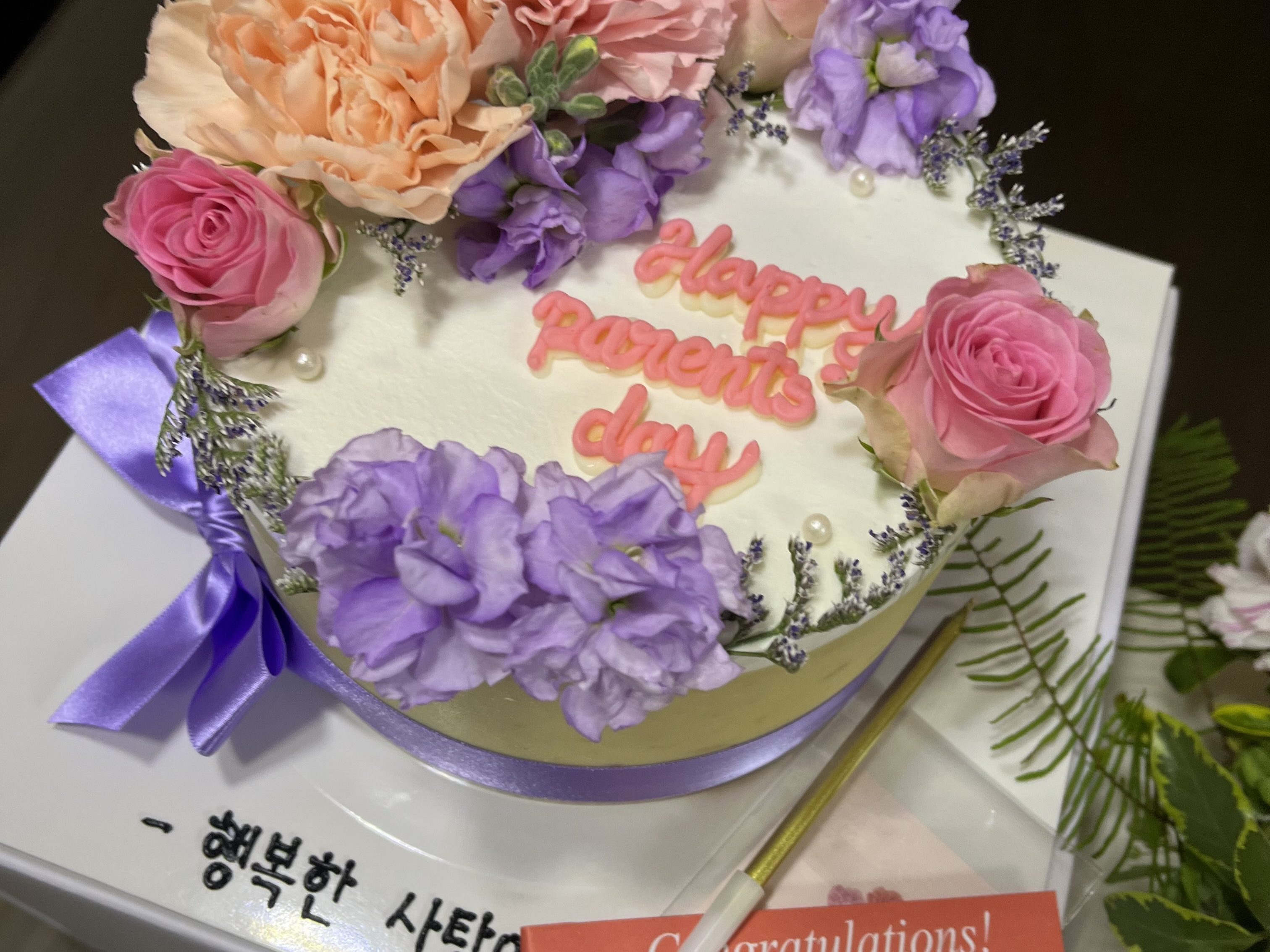
There are moments in our days that are too precious—yet easily overlooked because they’re common. Only when we pause to notice them, they reveal deep meaning.
Here are five that bring me immense joy:
- The first sip of coffee that wakes me at 8 a.m.
- Bright afternoon sunlight streaming through the window.
- The quiet joy that comes from completing a daily task.
- A delicious dinner after a hard day’s work.
- A simple “Love you” text from my boyfriend.
As I write this list, I feel so grateful for my simple, yet colorful, daily life. But I also carry soft wishes for the future—hopes that add another layer to this joy.
One day, I’d love to experience:
- The start of a new day beside my husband.
- Hearing children’s laughter at breakfast.
- Coming home fulfilled—reflecting the personal growth of the day.
- A delicious dinner shared with my family.
- A “Love you, good night” whispered from the people I love most.
The elements are the same—growth and warmth—but in my dream, there are simply more people in it. And that, to me, is the most beautiful evolution of joy.
-
Ten years from now

Right now, it’s just me and my laptop.
Quietly working, steadily building the path toward my dream.
In ten years, I envision a life enriched by both personal joys and professional fulfillment.
Personally, I see myself as a loving mother to two wonderful children. I imagine long days filled with laughter, learning, and exploration as we discover the wonders of this amazing world together.
We’ll embark on family adventures – whether it’s a weekend camping trip, a visit to a vibrant city museum, or a quiet afternoon reading under a tree. I dream of a cozy home where our walls are adorned with art and memories, and where every room tells a story of love, growth, and discovery.
A beloved dog will be part of our family too, adding boundless energy and unconditional affection to our daily lives. Of course, finding pet-friendly housing and reliable transportation will be key, ensuring our furry friend is always welcome on our adventures.
Professionally, I see myself thriving as an intensivist at a leading hospital. Every day, I would be on the front lines of critical care, working with a compassionate team dedicated to saving lives. My role would go beyond technical expertise; it would be about providing comfort during life’s most challenging moments. I envision using my skills to ensure that those in their final days experience peace, dignity, and even moments of joy amid the gravity of their situation. I aim to bridge the delicate balance between life and death with empathy and clinical precision, ensuring that every patient and their loved ones feel supported and understood. This calling isn’t just a career – it’s a commitment to making the hardest moments in life as gentle and meaningful as possible.
Though I may plan and set these dreams in motion, only God can guide the way.
May He be with us all on this journey. -
What we owe to each other
I first encountered the phrase What We Owe to Each Other in a rather unexpected setting—a beloved TV series, The Good Place. In the show, the title isn’t just a catchy phrase; it serves as a powerful reminder of our shared moral obligations. It asks us to reflect on the ways we are intertwined and how our actions, however small, ripple outwards, affecting those around us.
For a long time, I wondered what it really means to owe something to another person. On the surface, when I look at my neighbor or someone I pass on the street, it might seem like we are simply two separate individuals living side by side. Yet, as I delved deeper into this thought, I began to see that nothing in life exists in isolation. Even the simplest conveniences—like a safe street, reliable public services, or the friendly smile of a stranger—are the cumulative result of countless, often unseen, contributions.
Growing up with unseen debts
Reflecting on my upbringing, I remember my parents always urging me to be thankful to society for all the advantages I enjoy. At the time, I took this advice at face value. I believed that every success was the product of my own hard work and determination. However, as I prepare for a new chapter in my life, I’m beginning to see that much of what I have come to rely on was already laid out for me from the moment I was born.
Consider the privileges I now enjoy: the safety of my neighborhood, access to healthcare, the ease of travel, and the welcoming cultural norms of my home country. These are not merely the fruits of individual effort but are also the legacy of social structures, community investments, and the sacrifices of those who came before me. In this light, the idea that I owe something to those around me takes on a profound, almost sacred, quality.
The butterfly effect
One compelling metaphor that has resonated with me is the butterfly effect. The notion that a single butterfly flapping its wings can set off a chain reaction leading to significant global events forces us to consider the impact of every action, no matter how small. If such seemingly trivial acts can have vast repercussions, then every kindness, every shared moment, contributes to a complex tapestry of human existence.
This interconnectedness implies that our achievements, which we often credit solely to our personal grit or our nation’s efforts, are in fact interwoven with the contributions of countless others. It challenges the conventional narrative of individualism by suggesting that our prosperity is as much a product of external support and collective endeavor as it is of our own initiative.
A broader perspective on responsibility
This reflection has led me to a deeper understanding: what we owe each other isn’t confined to a local or national boundary. It transcends borders, cultures, and even time. Our responsibilities are not transactional debts but moral and ethical imperatives to nurture the well-being of our fellow human beings.
I’ve come to see that recognizing this debt is not about diminishing one’s own achievements. Instead, it’s about embracing the reality that our success is part of a larger, interconnected system. When we acknowledge this, we open ourselves up to a greater sense of gratitude and responsibility. We are, in effect, stewards of the legacy of kindness, sacrifice, and collective effort that has made our lives possible.
Living with gratitude and awareness
Embracing the idea of what we owe to one another can transform the way we live. It encourages us to act with empathy, to offer help without expecting anything in return, and to be mindful of how our actions affect others. When we see our lives as a product of shared efforts, it becomes easier to extend a hand to those in need, whether they are our neighbors or strangers across the globe.
This expanded view doesn’t negate personal ambition or achievement; rather, it enriches them by situating our lives within a broader narrative of human connection. Every success, every joy, and even every hardship becomes a thread in the vast tapestry of community and mutual care.
In the end, What We Owe to Each Other is more than a philosophical concept—it’s a call to live with consciousness of our interdependence. It challenges us to recognize that while our individual paths may seem solitary, they are inextricably linked to the lives of others. By embracing this perspective, we not only honor the past and the contributions that have shaped our present but also pave the way for a future built on shared responsibility and genuine care for one another.


 A journey in ink
You must be logged in to post a comment.