Author: JIIN

  • Five small happinesses

    Daily writing prompt
    What are 5 everyday things that bring you happiness?

    There are moments in our days that are too precious—yet easily overlooked because they’re common. Only when we pause to notice them, they reveal deep meaning.

    Here are five that bring me immense joy:

    1. The first sip of coffee that wakes me at 8 a.m.
    2. Bright afternoon sunlight streaming through the window.
    3. The quiet joy that comes from completing a daily task.
    4. A delicious dinner after a hard day’s work.
    5. A simple “Love you” text from my boyfriend.

    As I write this list, I feel so grateful for my simple, yet colorful, daily life. But I also carry soft wishes for the future—hopes that add another layer to this joy.

    One day, I’d love to experience:

    1. The start of a new day beside my husband.
    2. Hearing children’s laughter at breakfast.
    3. Coming home fulfilled—reflecting the personal growth of the day.
    4. A delicious dinner shared with my family.
    5. “Love you, good night” whispered from the people I love most.

    The elements are the same—growth and warmth—but in my dream, there are simply more people in it. And that, to me, is the most beautiful evolution of joy.

  • Ten years from now

    Right now, it’s just me and my laptop.

    Quietly working, steadily building the path toward my dream.

    In ten years, I envision a life enriched by both personal joys and professional fulfillment.

    Personally, I see myself as a loving mother to two wonderful children. I imagine long days filled with laughter, learning, and exploration as we discover the wonders of this amazing world together.

    We’ll embark on family adventures – whether it’s a weekend camping trip, a visit to a vibrant city museum, or a quiet afternoon reading under a tree. I dream of a cozy home where our walls are adorned with art and memories, and where every room tells a story of love, growth, and discovery.

    A beloved dog will be part of our family too, adding boundless energy and unconditional affection to our daily lives. Of course, finding pet-friendly housing and reliable transportation will be key, ensuring our furry friend is always welcome on our adventures.

    Professionally, I see myself thriving as an intensivist at a leading hospital. Every day, I would be on the front lines of critical care, working with a compassionate team dedicated to saving lives. My role would go beyond technical expertise; it would be about providing comfort during life’s most challenging moments. I envision using my skills to ensure that those in their final days experience peace, dignity, and even moments of joy amid the gravity of their situation. I aim to bridge the delicate balance between life and death with empathy and clinical precision, ensuring that every patient and their loved ones feel supported and understood. This calling isn’t just a career – it’s a commitment to making the hardest moments in life as gentle and meaningful as possible.

    Though I may plan and set these dreams in motion, only God can guide the way.
    May He be with us all on this journey.

  • Doctor from Doctor Who

    Doctor from Doctor Who

    Daily writing prompt
    If you could be a character from a book or film, who would you be? Why?

    If I could be any character, I would be the Doctor from Doctor Who.

    I can literally go to anywhere, anytime. And technically immortal.

    Also, it would be amazing to have a Tardis. Bigger on the inside!

  • A Travel Guide

    A Travel Guide

    Daily writing prompt
    How would you improve your community?

    Every city has something unique to offer, but not all can showcase it well.

    I’ve always believed visitors would benefit from an insider’s perspective—one that delivers the authentic beauty of my city. Living in the heart of Seoul, I see many travelers, yet often find them visiting the wrong places. Of course, this is just my opinion, but I believe there are far better experiences than spending an entire day in a shopping mall.

    This doesn’t just benefit travelers; it also enriches the lives of locals, whether or not they work in tourism. In our increasingly interconnected world, attracting travelers carries great significance.

    Beyond sharing general and personal insights, we need a service that genuinely connects travelers with locals. This could be something professional, like a paid guide service, or a more casual platform—perhaps an app that fosters friendships through travel.

    Ultimately, it’s the people who make travel truly special. I hope my country continues to evolve, creating more opportunities for these meaningful connections.

  • One Mocha, Please

    One Mocha, Please

    Daily writing prompt
    What are your morning rituals? What does the first hour of your day look like?

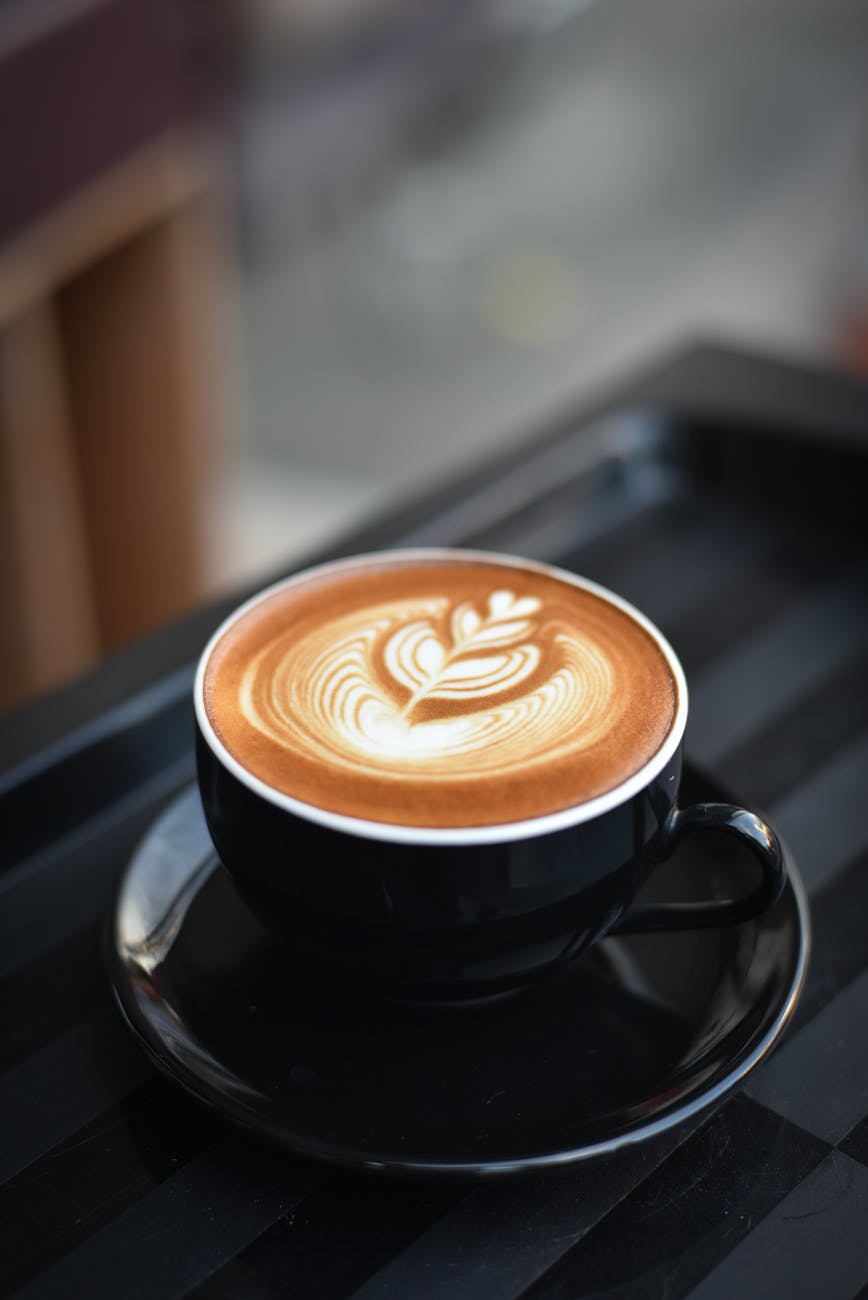
    Every morning, I make my way to my favorite local café for a mocha. It’s more than just a habit—it’s a necessity.

    Until that first sip of caffeine kicks in, I just can’t function. Only then I can appreciate the sunshine and embrace whatever the day has to offer.

    For my future self-to cherish the moments spent in this neighborhood.
  • Brain Optimization: Be The Best You

    Brain Optimization: Be The Best You

    Book review: Kabasawa, S. (2018). Your Brain Wants Optimization. Sam & Parkers.

    Understanding your brain’s chemistry

    Our brain operates through a complex network of neurotransmitters that control our emotions, motivation, memory, and overall cognitive abilities. This book simplifies the intricate workings of the brain, focusing on seven key neurotransmitters that play a vital role in optimizing performance and productivity.


    The seven key neurotransmitters

    1. Dopamine: The Motivation Booster

    Dopamine is the chemical that fuels our drive to achieve. It is released when we set and accomplish goals, reinforcing a sense of reward and success. However, excessive dopamine can lead to dependency, while a deficiency can result in movement disorders like Parkinson’s disease.

    2. Norepinephrine: The Focus Enhancer

    This neurotransmitter is crucial for alertness and concentration. It regulates the body’s fight-or-flight response and plays a role in stress management. Long-term overproduction, however, is linked to increased anxiety and depression.

    3. Serotonin: The Mood Stabilizer

    Serotonin helps regulate emotions, ensuring balance and mental well-being. It counteracts the effects of dopamine and norepinephrine, preventing excessive highs and lows. A deficiency can lead to depression and mood disorders.

    4. Adrenaline: The Energy Surge

    Adrenaline prepares the body for action, increasing heart rate and energy levels. While it can be beneficial in short bursts, prolonged exposure can lead to chronic stress and burnout.

    5. Acetylcholine: The Memory Catalyst

    This neurotransmitter is essential for learning, memory, and creativity. It enhances cognitive function and helps the brain retain information efficiently.

    6. Melatonin: The Sleep Regulator

    Melatonin controls sleep cycles and recovery. Proper sleep is crucial for brain function, and disturbances in melatonin production can lead to insomnia and cognitive decline.

    7. Endorphins: The Natural Painkillers

    Endorphins generate feelings of happiness and euphoria while reducing pain perception. They are released through activities like exercise, laughter, and social bonding.


    Balance is the key

    The key to peak brain performance lies in maintaining the right balance of these neurotransmitters. Modern lifestyle factors such as stress, poor diet, and irregular sleep disrupt this delicate balance, affecting mental clarity and emotional stability.

    How can we use these to our benefit? Let’s take a look at dopamine.

    Dopamine plays a crucial role in motivation and achievement. By understanding how it works, we can use it to our advantage.

    1. Goal Setting

    • Set clear and achievable goals to trigger dopamine release.
    • Instead of overwhelming long-term goals, break them down into small, manageable steps.
    • Each milestone reached reinforces motivation and sustains long-term progress.

    2. Visualizing Your Success

    • The brain responds positively to visualized achievements.
    • Creating a mental picture of success enhances commitment and focus.

    3. Boosting Learning Efficiency

    • Enjoying the learning process increases dopamine, leading to better comprehension and memory retention.
    • Engaging, interactive, and rewarding study methods help sustain motivation.

    For me, this blog is the perfect example of having a regular, steady, fixed dose of dopamine. Each weekly post gives me that small but satisfying reward, fueling my motivation and helping me stay focused on my long-term goals. It’s a simple yet effective way to keep the momentum going while improving my communication skills and mental well-being.


    Final thoughts

    Life is a series of rewarding challenges, and by treating each day as an opportunity to balance and boost my brain chemistry, I’m constantly evolving into the best version of myself.

    I hope learning about these magical substances inspires you to explore your own brain’s potential. Maybe some of you need to boost serotonin to lift your mood, while others might benefit from decreasing an overflow of norepinephrine. Whatever it is, recognizing when your balance is off is the first step toward change.

    Take a moment each day to check in with yourself. Notice if you feel a little off-balance and consider the role your brain’s chemistry might be playing. Small adjustments in your routine – whether it’s more sleep, a brisk walk, or a mindful pause – can help recalibrate your neurotransmitters. By understanding and respecting your brain’s needs, you’re not just surviving each day-you’re setting the stage for continual growth and lasting well-being.

    Here’s to embracing each challenge as an opportunity to nurture our minds and transform our lives. Happy optimizing!

  • As a traveler

    As a traveler

    Daily writing prompt
    What was the best compliment you’ve received?

    As a traveler, the best compliment is a random stranger’s smile.

    It comes in various forms.

    Like the time a passerby asked me for directions on a quiet road in Germany. I was drinking bubble tea, perhaps looking like someone who knew the best cafés or simply lost in thought as a solo traveler. Whatever it was, in that moment, I felt a deep sense of belonging—a recognition from a stranger that made me feel seen.

    When I awkwardly replied, “I’m sorry, I don’t live here,” she smiled back, responding with the warmth of another traveler. That simple exchange, brief as it was, left an imprint.

    Then there was the day in England, in a cozy café. A lady greeted me with small talk I barely understood. All I could do was smile and nod in respect, yet I felt more connected to her in that moment than in many long conversations I’ve had before.

    As an occasional traveler, the best compliment I can think of is a simple affirmation from another human being.

    These are the moments that light up my days, fill the memory of my trips, and sometimes, how I remember an entire country.

  • What we owe to each other

    What we owe to each other

    I first encountered the phrase What We Owe to Each Other in a rather unexpected setting—a beloved TV series, The Good Place. In the show, the title isn’t just a catchy phrase; it serves as a powerful reminder of our shared moral obligations. It asks us to reflect on the ways we are intertwined and how our actions, however small, ripple outwards, affecting those around us.

    For a long time, I wondered what it really means to owe something to another person. On the surface, when I look at my neighbor or someone I pass on the street, it might seem like we are simply two separate individuals living side by side. Yet, as I delved deeper into this thought, I began to see that nothing in life exists in isolation. Even the simplest conveniences—like a safe street, reliable public services, or the friendly smile of a stranger—are the cumulative result of countless, often unseen, contributions.

    Growing up with unseen debts

    Reflecting on my upbringing, I remember my parents always urging me to be thankful to society for all the advantages I enjoy. At the time, I took this advice at face value. I believed that every success was the product of my own hard work and determination. However, as I prepare for a new chapter in my life, I’m beginning to see that much of what I have come to rely on was already laid out for me from the moment I was born.

    Consider the privileges I now enjoy: the safety of my neighborhood, access to healthcare, the ease of travel, and the welcoming cultural norms of my home country. These are not merely the fruits of individual effort but are also the legacy of social structures, community investments, and the sacrifices of those who came before me. In this light, the idea that I owe something to those around me takes on a profound, almost sacred, quality.

    The butterfly effect

    One compelling metaphor that has resonated with me is the butterfly effect. The notion that a single butterfly flapping its wings can set off a chain reaction leading to significant global events forces us to consider the impact of every action, no matter how small. If such seemingly trivial acts can have vast repercussions, then every kindness, every shared moment, contributes to a complex tapestry of human existence.

    This interconnectedness implies that our achievements, which we often credit solely to our personal grit or our nation’s efforts, are in fact interwoven with the contributions of countless others. It challenges the conventional narrative of individualism by suggesting that our prosperity is as much a product of external support and collective endeavor as it is of our own initiative.

    A broader perspective on responsibility

    This reflection has led me to a deeper understanding: what we owe each other isn’t confined to a local or national boundary. It transcends borders, cultures, and even time. Our responsibilities are not transactional debts but moral and ethical imperatives to nurture the well-being of our fellow human beings.

    I’ve come to see that recognizing this debt is not about diminishing one’s own achievements. Instead, it’s about embracing the reality that our success is part of a larger, interconnected system. When we acknowledge this, we open ourselves up to a greater sense of gratitude and responsibility. We are, in effect, stewards of the legacy of kindness, sacrifice, and collective effort that has made our lives possible.

    Living with gratitude and awareness

    Embracing the idea of what we owe to one another can transform the way we live. It encourages us to act with empathy, to offer help without expecting anything in return, and to be mindful of how our actions affect others. When we see our lives as a product of shared efforts, it becomes easier to extend a hand to those in need, whether they are our neighbors or strangers across the globe.

    This expanded view doesn’t negate personal ambition or achievement; rather, it enriches them by situating our lives within a broader narrative of human connection. Every success, every joy, and even every hardship becomes a thread in the vast tapestry of community and mutual care.

    In the end, What We Owe to Each Other is more than a philosophical concept—it’s a call to live with consciousness of our interdependence. It challenges us to recognize that while our individual paths may seem solitary, they are inextricably linked to the lives of others. By embracing this perspective, we not only honor the past and the contributions that have shaped our present but also pave the way for a future built on shared responsibility and genuine care for one another.


  • Spiritual, Not Superstitious

    Daily writing prompt
    Are you superstitious?

    I consider myself a spiritual person, grounded in my Christian faith.

    At times, when I face new challenges in life, I initially see them as fate. But a few days later, I often realize I was simply impatient or unprepared.

    These experiences have taught me humility, patience, and trust—trust in God, in myself, and in the hard work I put in every day.

    So, I wouldn’t call myself superstitious. However, I do believe in the unseen more than the visible.

  • What Makes Me Run Not Walk: The Power Behind My Drive

    I often question the forces that compel me to invest every moment wholeheartedly, and I wonder why I possess this unyielding desire to live with such passion.

    Born as the second daughter of a teacher, I was raised to value education and discipline. I learned early on that everything had to be earned-parental approval, a secure future, friendship, and even love. So, I am not denying the role of nurture or external influences in shaping one’s diligence.

    A little bit of everything, I would say. But if I had to choose one word that best defines my ambition, it would be freedom.

    Ultimately, what matters most is that we’re all alive and continuing our unique journeys.